
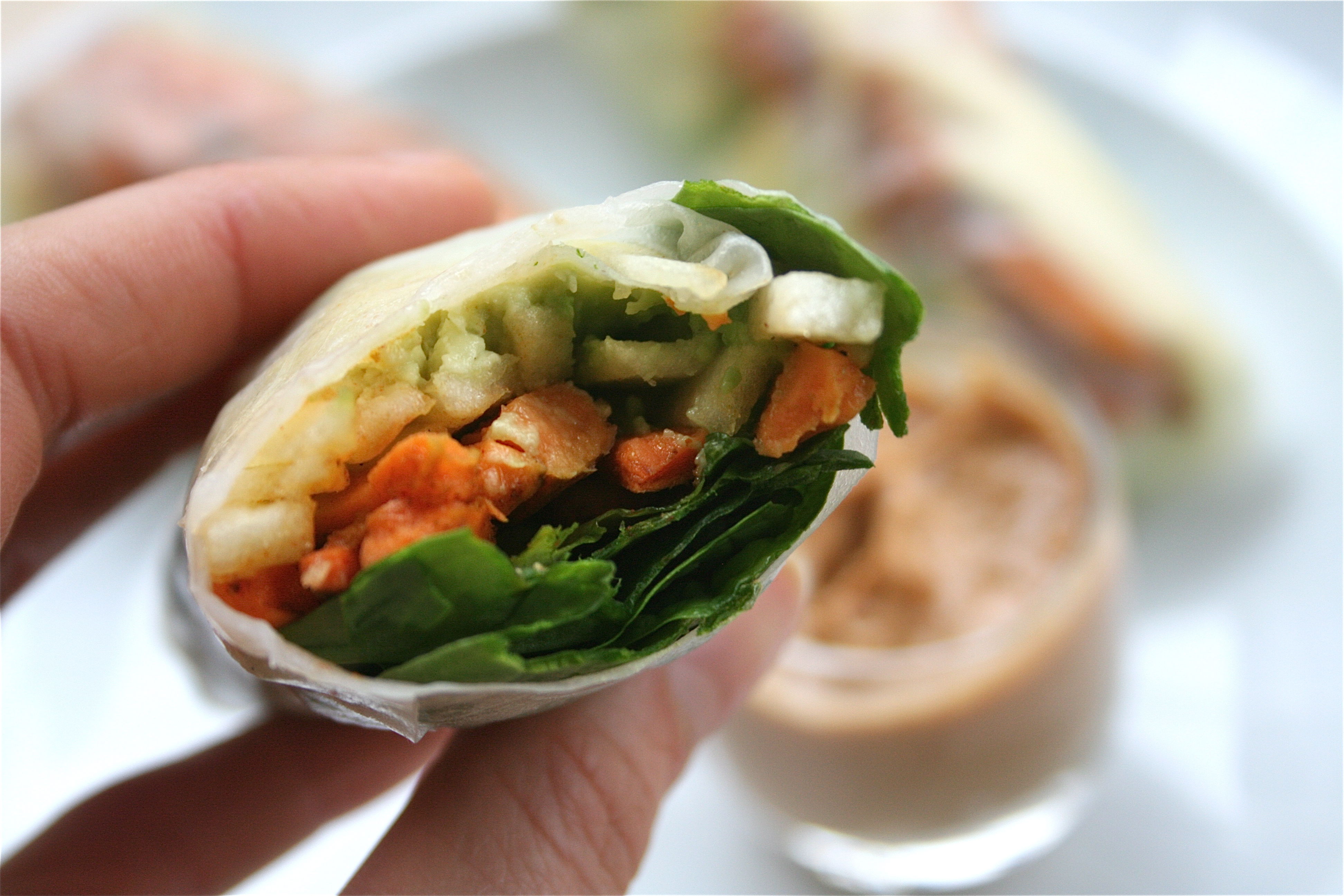
 If you think that fresh, non-deep fried spring rolls look kind of gross and potentially slimy, I get you. I have watched friends snack on these for years without any desire to try them myself, even though they are a very versatile way to eat more vegetables and use up scraps and leftovers. Then, the other day in the grocery store I saw the wrappers and had an uncontrollable urge to try them. Since there is pretty much no healthy food that I don’t like I realized my affront to these is probably unwarranted. Well, they turned out to be ever better than I expected! Continue Reading →
Pear Polenta Squares
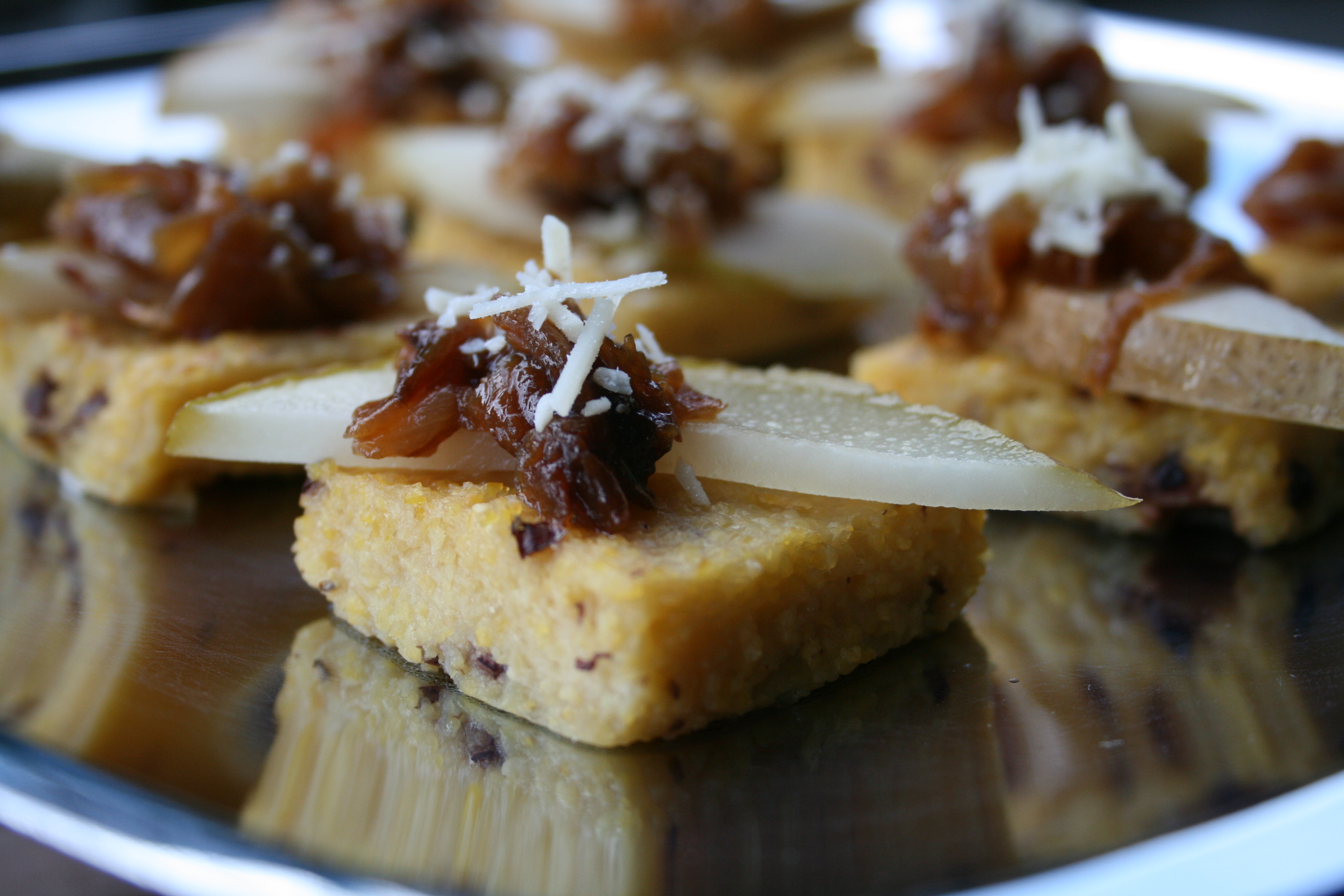 Polenta is a hearty dish made from cornmeal (ground corn) that thickens up to a consistency similar to porridge. From there any flavorings can be added and then if it has some time to set in the refrigerator it will firm up and become quite dense. Then it can be sliced and baked or grilled and used as a base in place of bread or crackers. Polenta hails originally from Northern Italy where it was a staple dish among the poorer classes but on this side of the ocean it is considered a more fancy foodie option. Polenta is mainly composed of complex carbohydrates with lots of fiber and iron and it has very little fat, making it a healthy substitute for the more processed and refined breads used in appetizers like this. Plus, its nutrient profile balances out the richer food usually served this time of year. Continue Reading →
Coconut Snowballs
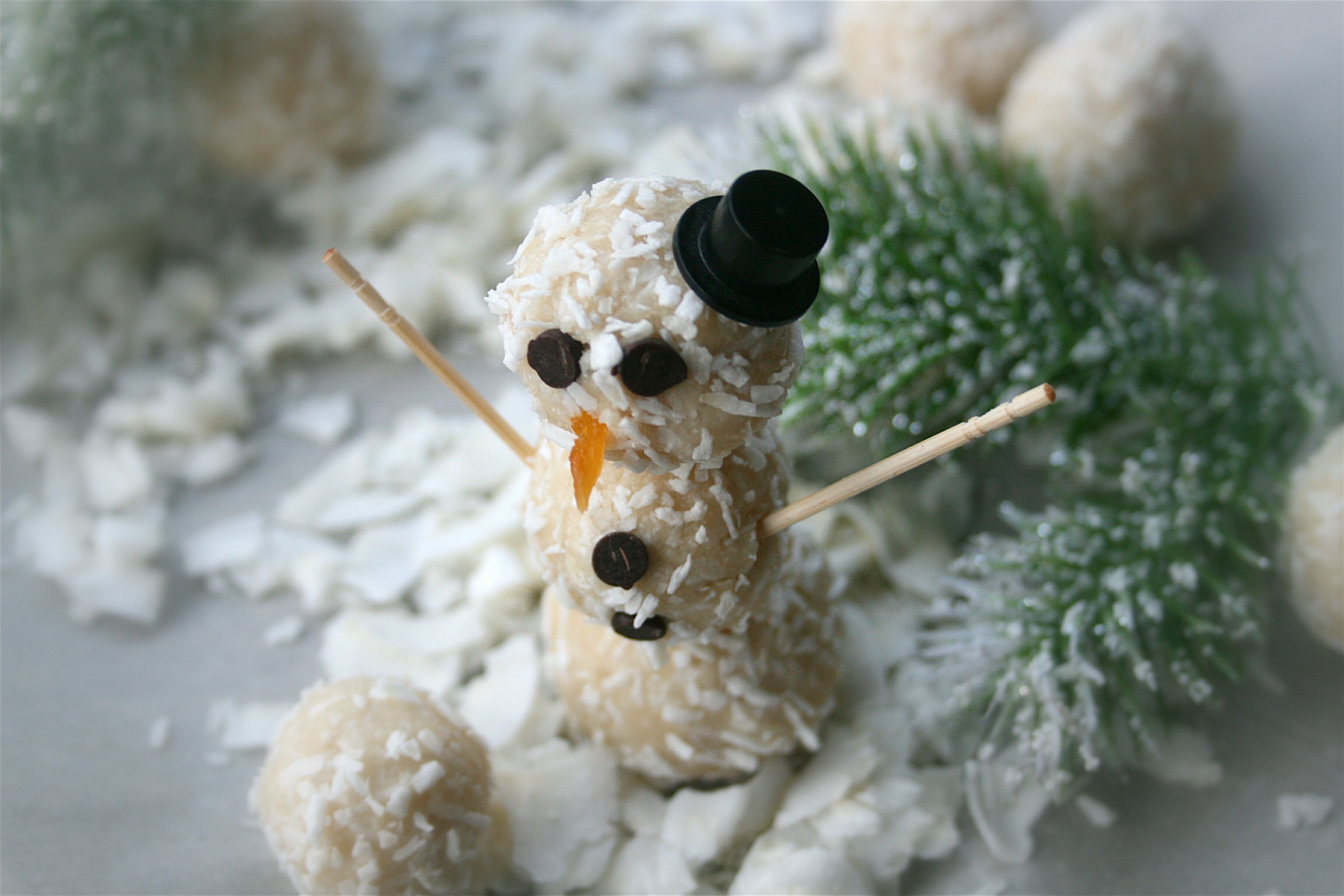 These no bake treats offer a lot of flavor in a small package. Coconut is mostly fat with some carbs and a bit of protein; the fat in coconut, unlike in the vast majority of plants, is mostly saturated. Here’s where it gets complicated- saturated fat is not bad, in fact it is necessary because we do need it to make cholesterol to make hormones that keep our metabolism and everything else balanced and in working order. The trick is we do not need too much of it, so no, unfortunately that 36 ounce steak does not get a free pass. Saturated fats get even more complicated when we break down the different types. There is one type in particular, which makes up a large percentage of coconuts’ fat called lauric acid and it is special and beneficial because it has antifungal, antimicrobial, antiprotozoal and antiviral properties. Continue Reading →
Hummus
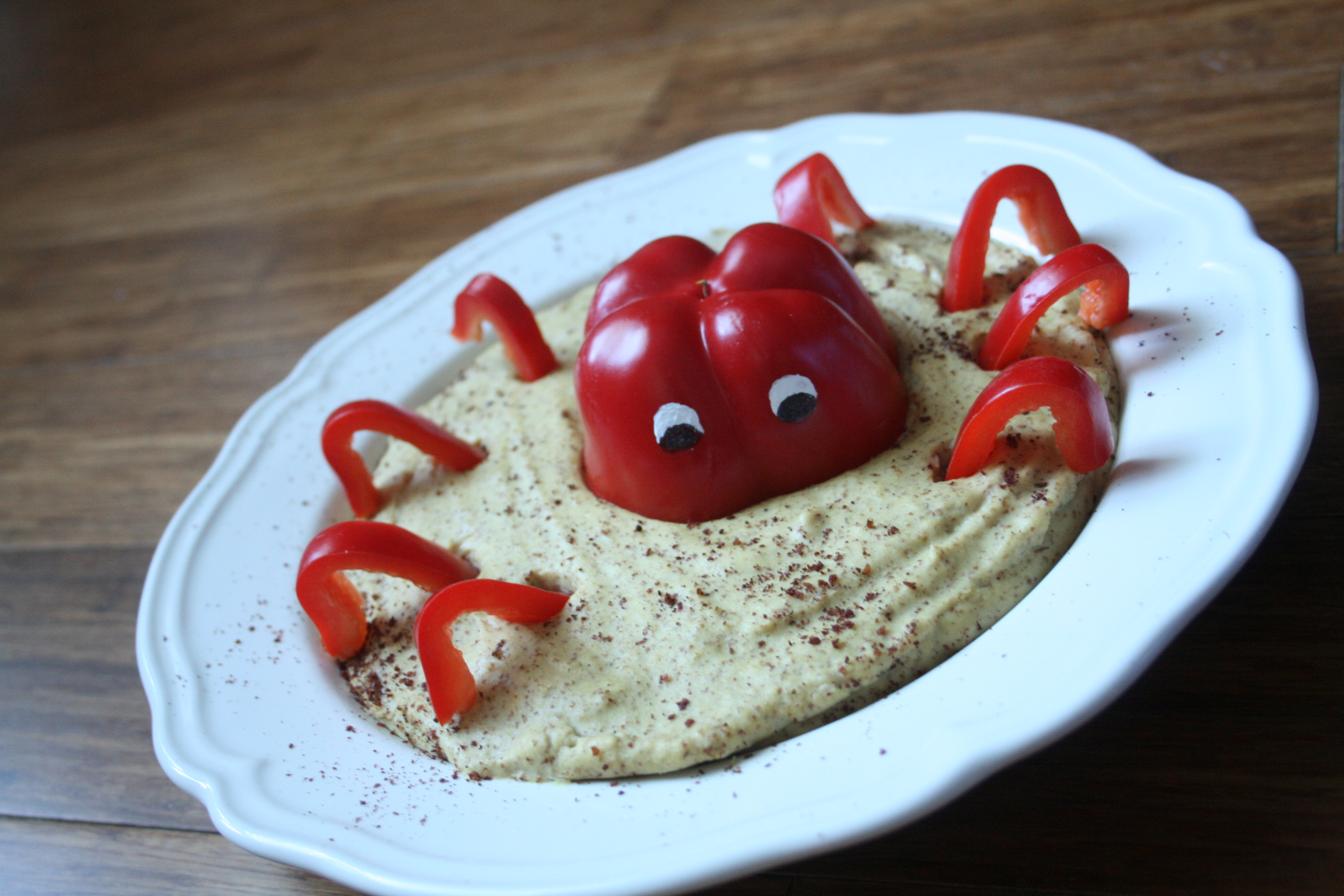 Hummus is a Middle Eastern chickpea dip accented with tahini (sesame butter), olive oil, garlic and lemon. It is flavorful enough to make raw vegetables exciting when dipped in or to liven up sandwiches and burgers. It is rich and creamy and the secret to getting it really smooth is to use chickpea flour instead of chickpeas themselves. A few years ago I was in Germany while following a vegan diet, luckily there were lots of Middle Eastern restaurants around, so I was able to avoid the bratwurst and basically lived off of hummus and falafel (and fritz) for a few weeks. One day I found a small health food store tucked away on a back alley riddled with cobblestones and went in to try and find some chickpeas to make the dip myself. The owner could barely speak English and I could barely speak German but through lots of sign language he taught me that the flour is actually what was used there more commonly and that it worked better. I thought he was crazy, the flour seems bland and chalky, but when you mix it with boiling water the magic happens. Continue Reading →
Cranberry Pumpkin Banana Bread Cookies
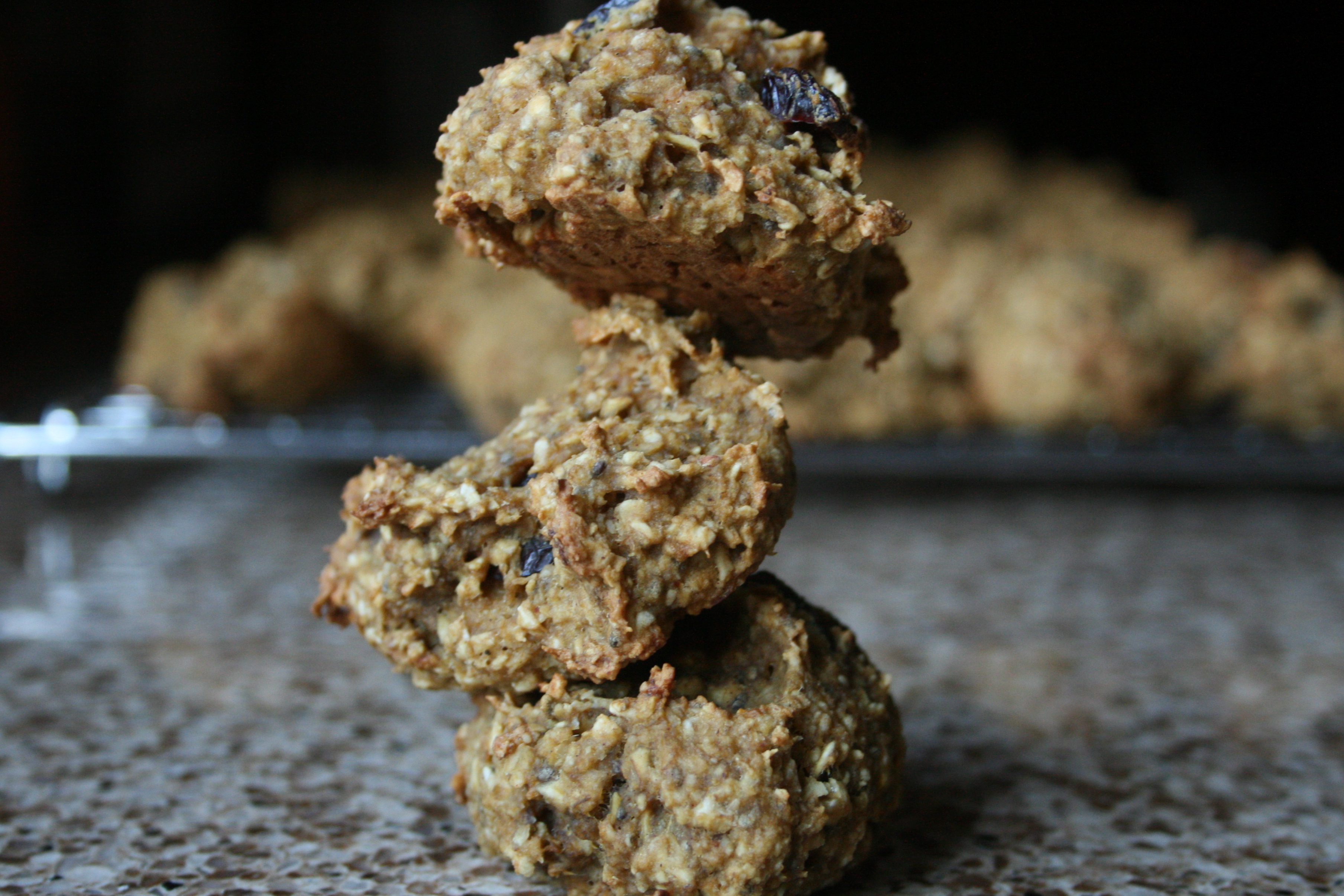 These cookies are lightly crisped on the outside but moist and gooey on the inside- just like banana bread. One of the main things I strive for in the kitchen is to get more vegetables and fruits into whatever I make. It is much more enjoyable than eating massive salads all the time and gives any dish significantly more vitamins and minerals. These cookies get a major health boost from apples, bananas, pumpkin and cranberries. Continue Reading →
Hot Apple Cider
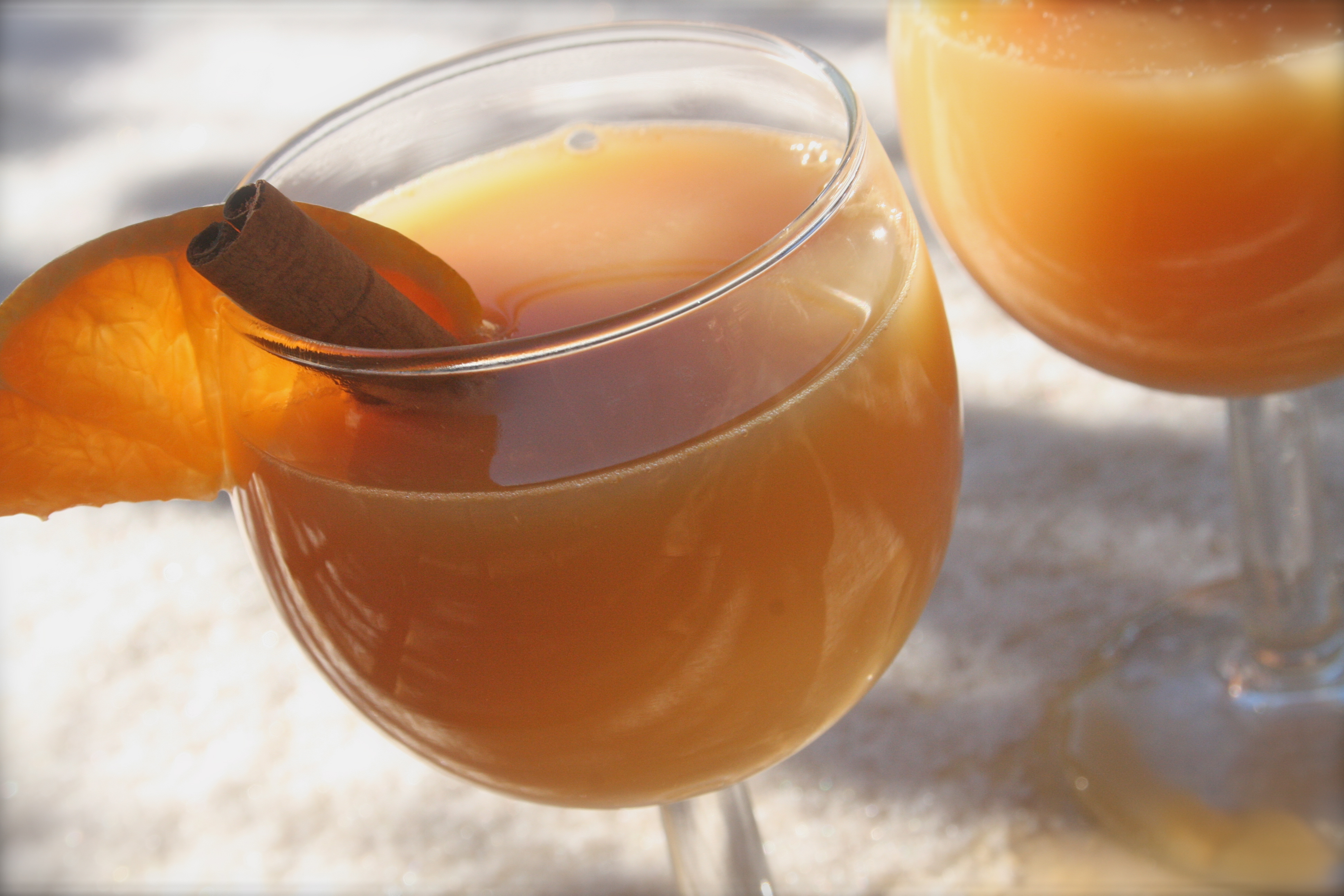 Like most of our beloved winter drinks apple cider is now conveniently available in packets that can be added to hot water for instant holiday cheer. If you have never tried a homemade version this stuff isn’t too bad (just don’t read the label to discover how many of the ingredients came from a science lab), but once you’ve had the real stuff it just doesn’t compare. The fresher the juice the more nutrients and flavor the drink will contain, if sweet apples were used then it will not even need any added sugars. Continue Reading →
Pumpkin Chai Smoothie
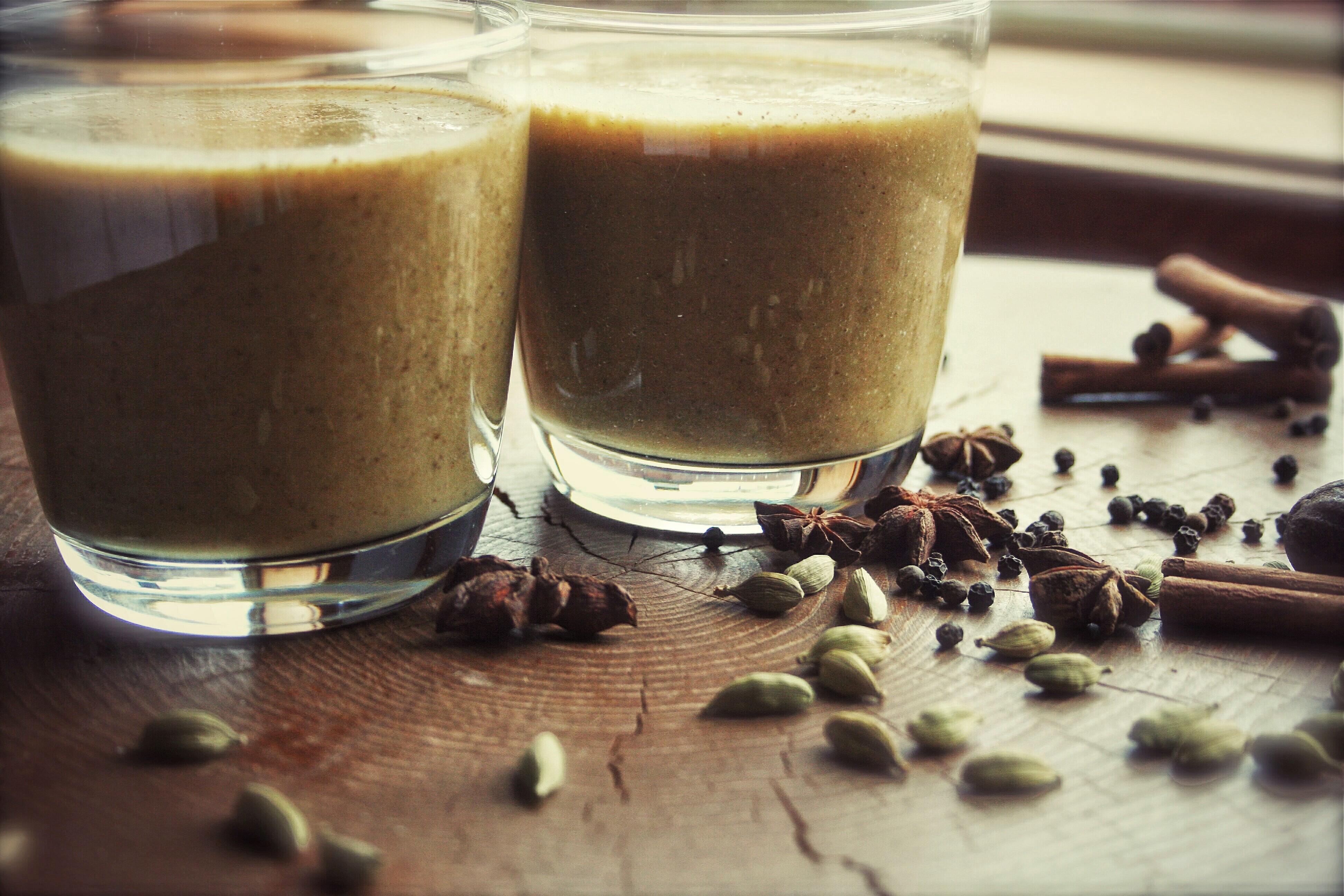 When it is cold outside it is good to eat warm foods, but the smoothie addicts out there can use warming spices to make cold smoothies a little more seasonally appropriate. Spices can be cooling or heating, affecting how we feel on a very subtle level but affecting our digestive function more noticeably. Warming spices generally promote more efficient digestion and have a detoxifying effect. We want our digestion to move along fairly quickly, if food gets blocked up (many causes can attribute to this including too much acidity, not enough acidity, not chewing thoroughly enough and pancreas and/or liver overload) it can sit in our large intestine and start to ferment, in which case toxins can be released back into our blood stream and we can experience bloating and the socially awkward body’s warning sign of flatulence. Continue Reading →
Raw Chocolate Truffles
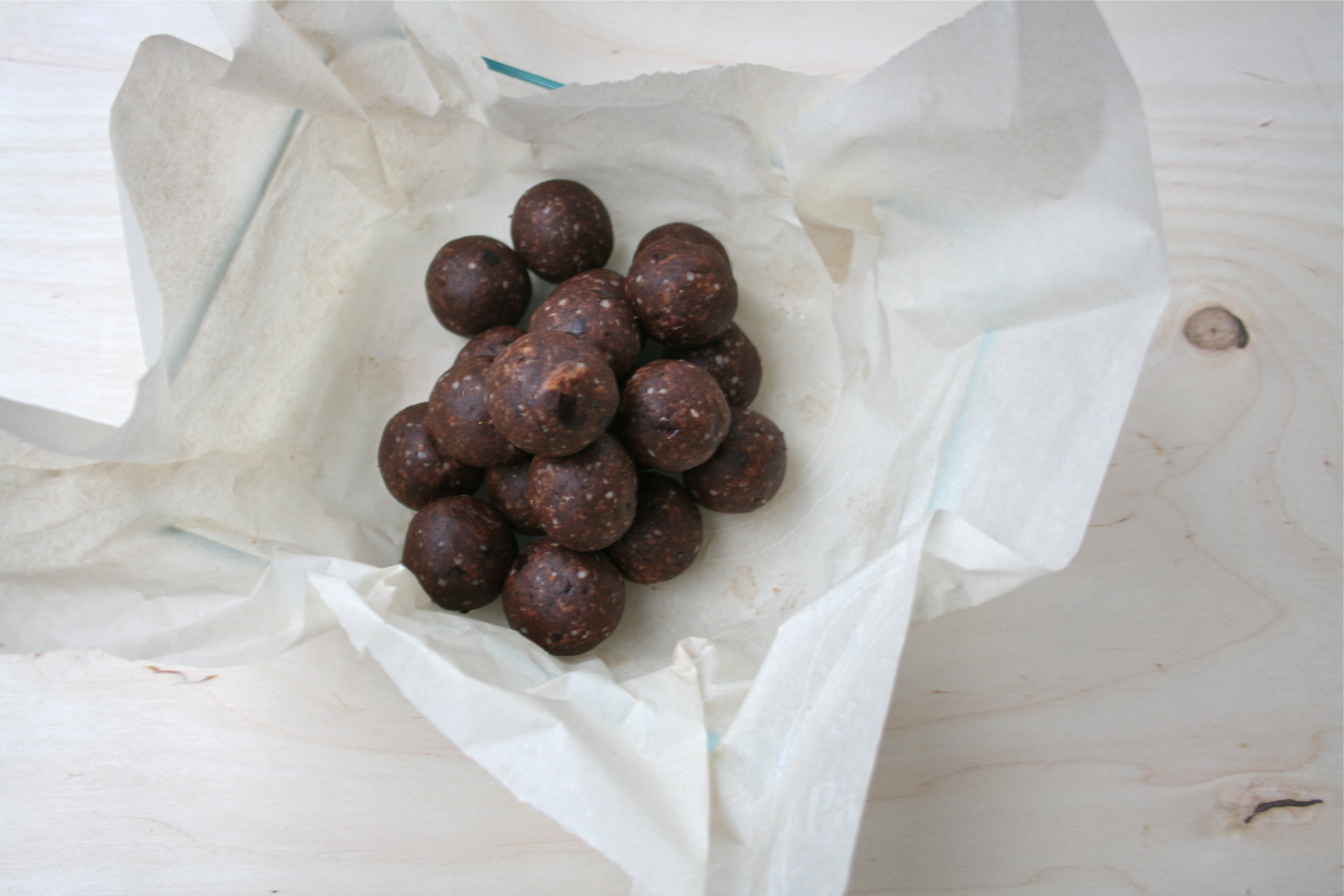 Cacao, a bean that comprises the base of chocolate, comes from a plant, but does that make it a health food? Like all other ingredients there can be a yes or no answer- it all depends on how it was produced, and if we’re getting really picky, on how it was grown (organic and fair trade are two labels to promise a higher quality product). Raw cacao itself is full of nutrients, especially antioxidants, the minerals copper, iron, manganese, and magnesium, several of the B vitamins and healthy fats. Continue Reading →
Pumpkin Overnight Oats
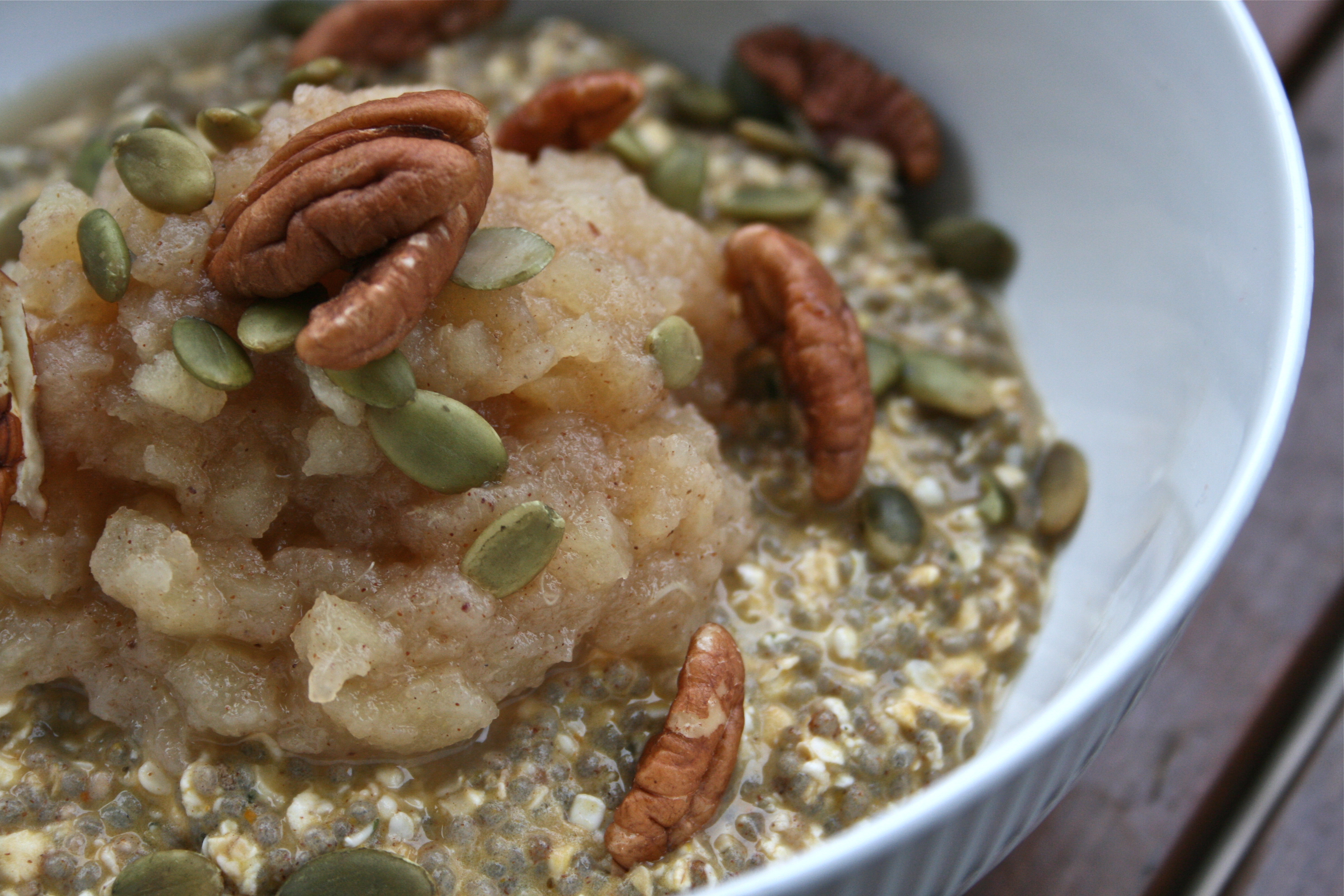 On cold frigid mornings there are few things I would rather eat than a nourishing bowl of oatmeal. They are very filling and easy on our bodies, with a soothing effect on our digestive systems. Continue Reading →
Acorn Squash Boats
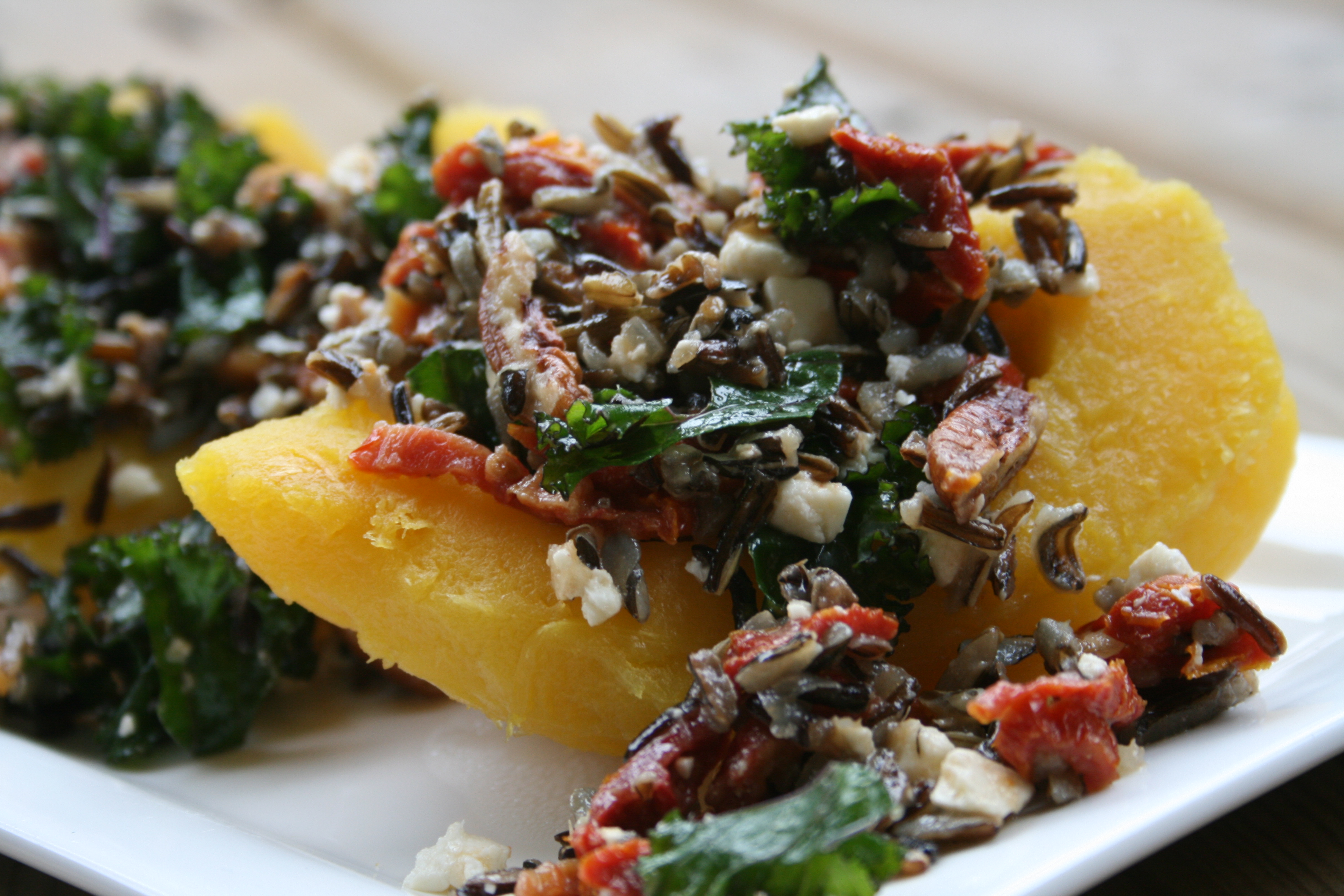 Acorn squash is the perfect size to build off of. It can be cut into halves and used like bowls or cut into quarters like this and used as a base for any kind of topping. In this way it is kind of like bruschetta but the squash is many times higher in fiber and several antioxidants, vitamins and minerals than the traditionally used white bread. Continue Reading →